Introduction
You already know how to make your advertisers visible.
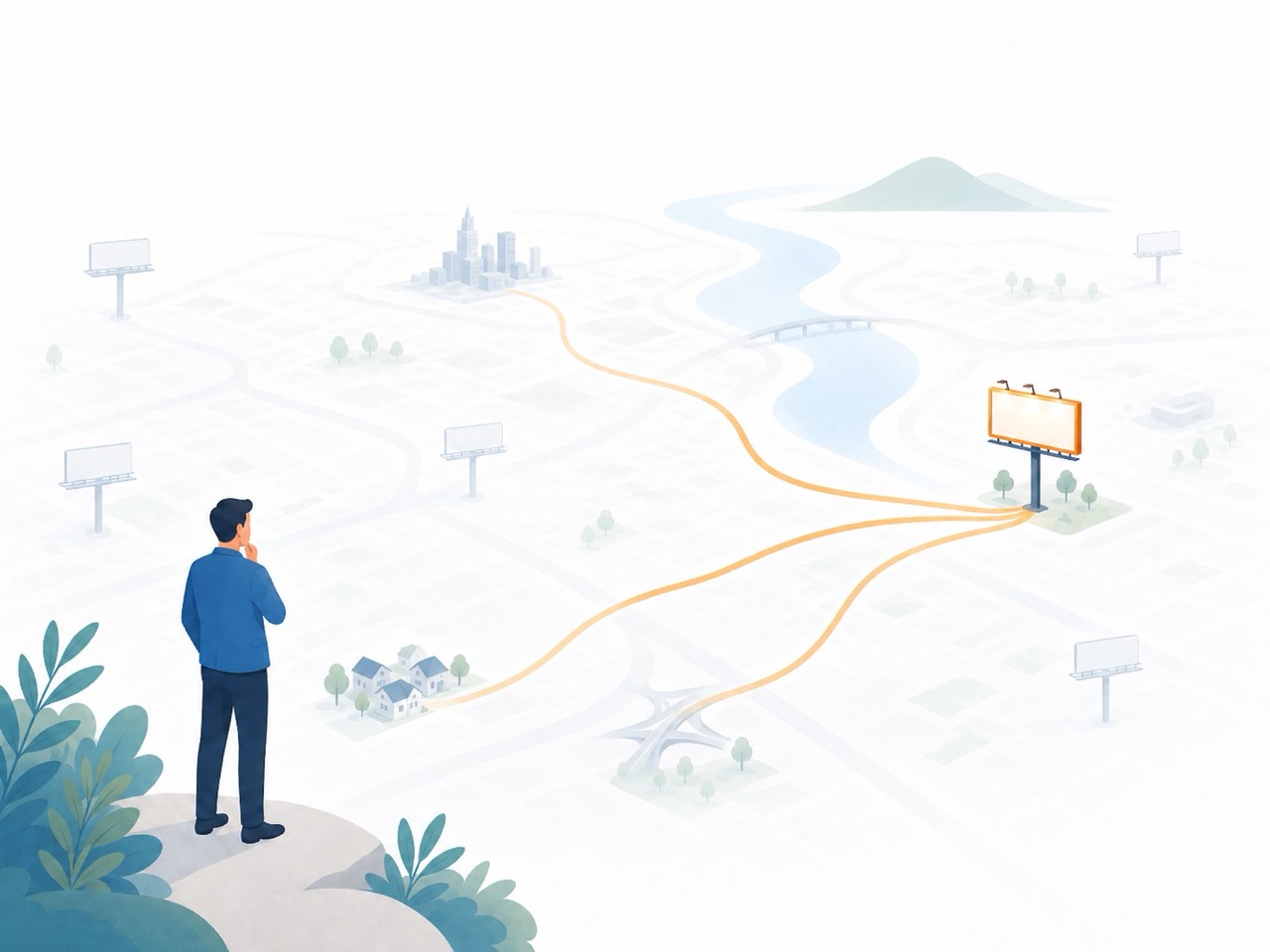
But when was the last time your billboard company got seen?
In today’s digital-first world, even the best billboard inventory can be overlooked if your online presence doesn’t keep up. Agencies, media buyers, and local businesses are researching outdoor options long before they pick up the phone — and your website is their first impression.
That’s why the most successful operators in 2025 are treating their websites like part of their sales team: organized, professional, and designed to close deals.
Whether you manage 10 faces or 1,000, here’s a simple checklist to make sure your billboard website looks current, functions fast, and sells for you while you sleep.
1. Inventory That’s Organized — and Easy to Explore
Every advertiser wants to know where your boards are and what’s available right now.
Your website should make that information instantly clear.
That means no outdated spreadsheets or PDFs buried behind a “download” button.
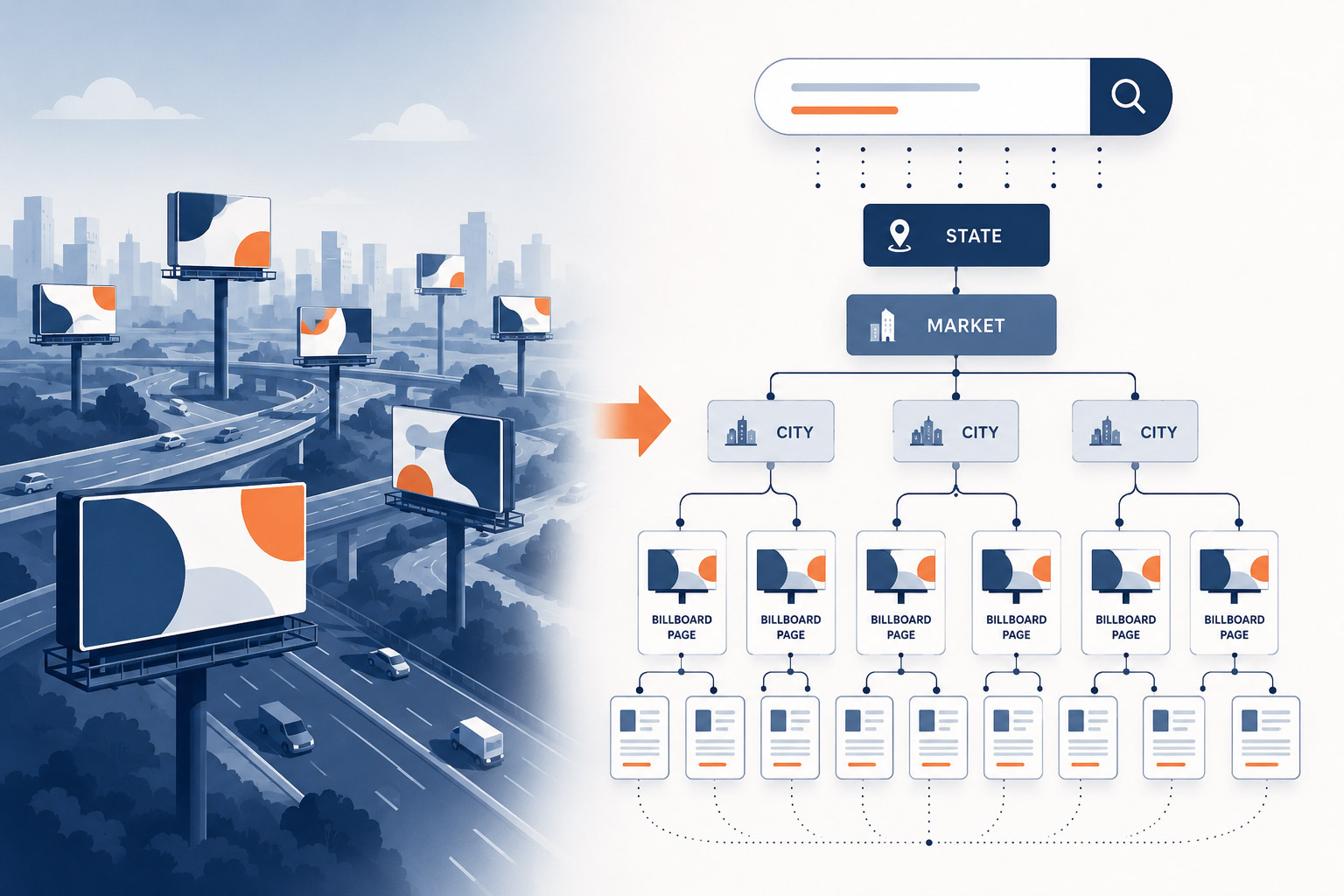
Instead, use a structure that makes sense:
State → City → Billboard.
Each location page should include:
- A dynamic map showing your coverage.
- At least one high-quality install photo per face.
- A clear indicator for “Available Now” boards.
💡 Pro Tip: Even if you manage updates manually, consistency matters. Make sure every listing follows the same format — it’s a subtle signal of professionalism.
2. Professional Photos (No More Blurry Installs)
Photos tell your story. A crisp, well-lit install photo of your billboard does more than show an ad — it shows credibility.
Replace old or pixelated images with:
- Daytime photos in clear weather.
- Angles that show the environment (traffic flow, visibility).
- A mix of occupied and empty faces.
These visuals don’t just impress buyers — they help your website perform better on Google. Search engines now favor original imagery over stock photos, so your real content helps you rank higher.
3. Every Billboard Needs Its Own Page (and One-Sheet)
If you still send PDFs manually every time someone asks about a board, you’re wasting hours.
Each billboard should have its own dedicated page with:
- Location data
- Dimensions
- Direction of traffic
- Visibility (e.g., “facing eastbound toward downtown”)
- An instant “Download One-Sheet” button
This creates a consistent experience and makes your team look organized.
Even better, tools like OOH Engine can automatically generate those one-sheets from your existing inventory file.
4. Lead Forms on Every Page
Don’t make advertisers click “Contact Us” and fill out a generic form.
Every listing and every location page should have its own Request a Quote or Check Availability button — connected to a short, simple form.
Keep it frictionless:
- Name
- Market or board of interest
- Optional: Company name or phone number
The faster someone can reach you, the faster you can start the conversation.
5. A Homepage That Sells the Story
Think of your homepage as your digital handshake.
It should answer three questions in five seconds or less:
- Who are you?
- What do you offer?
- What should I do next?
Use one clear headline that captures your value, a short subheadline, and one call to action:
“See Available Boards” or “Request a Quote.”
Avoid clutter, jargon, or endless text.
Buyers want to find boards, not read a novel.
6. A Website That Works as Hard as You Do
Your website isn’t just a marketing tool — it’s an extension of your business.
A modern OOH website should:
- Load in under 2 seconds.
- Display perfectly on mobile.
- Update easily without a web developer.
- Collect leads and send them directly to your inbox.
You don’t need a giant tech stack or in-house developer.
You just need the right partner to handle it for you.
7. Proof of Performance (and Pride of Work)
Show what you’ve accomplished.
A simple gallery or “Recent Campaigns” page turns your hard work into social proof.
Upload a few photos each month of new installs or advertiser artwork.
It shows you’re active, reliable, and proud of what you do — which builds trust faster than any sales pitch.
8. Regular Updates Build Long-Term Trust
Even a great website can look dated if it’s never updated.
At least once a quarter:
- Replace outdated artwork photos.
- Review your availability list.
- Check that all links and forms still work.
- Refresh headlines to reflect the season or your newest inventory.
A site that’s “alive” feels trustworthy.
Conclusion: Make Your Website Work for You
In 2025, your website is more than a brochure — it’s your first salesperson.
When advertisers see an up-to-date map, clean layout, and professional one-sheets, they think: “This operator runs a tight ship.”
When they can request a quote in seconds, they think: “This is easy — I’ll work with them.”
If your current site doesn’t reflect the professionalism you bring to your installs and client relationships, it’s time to upgrade.
How OOH Engine Helps Operators Operate Different
At OOH Engine, we help billboard companies like yours build websites that:
✅ Display your boards dynamically (by State → City → Billboard)
✅ Automatically update “Available Now” listings
✅ Generate one-sheets instantly
✅ Capture leads and route them to your inbox
✅ Keep your brand looking professional year-round
You send us your CSV inventory — we handle the rest.
That’s how we help operators save time, stay organized, and look professional online.
Ready to Check Your Website Off the List?