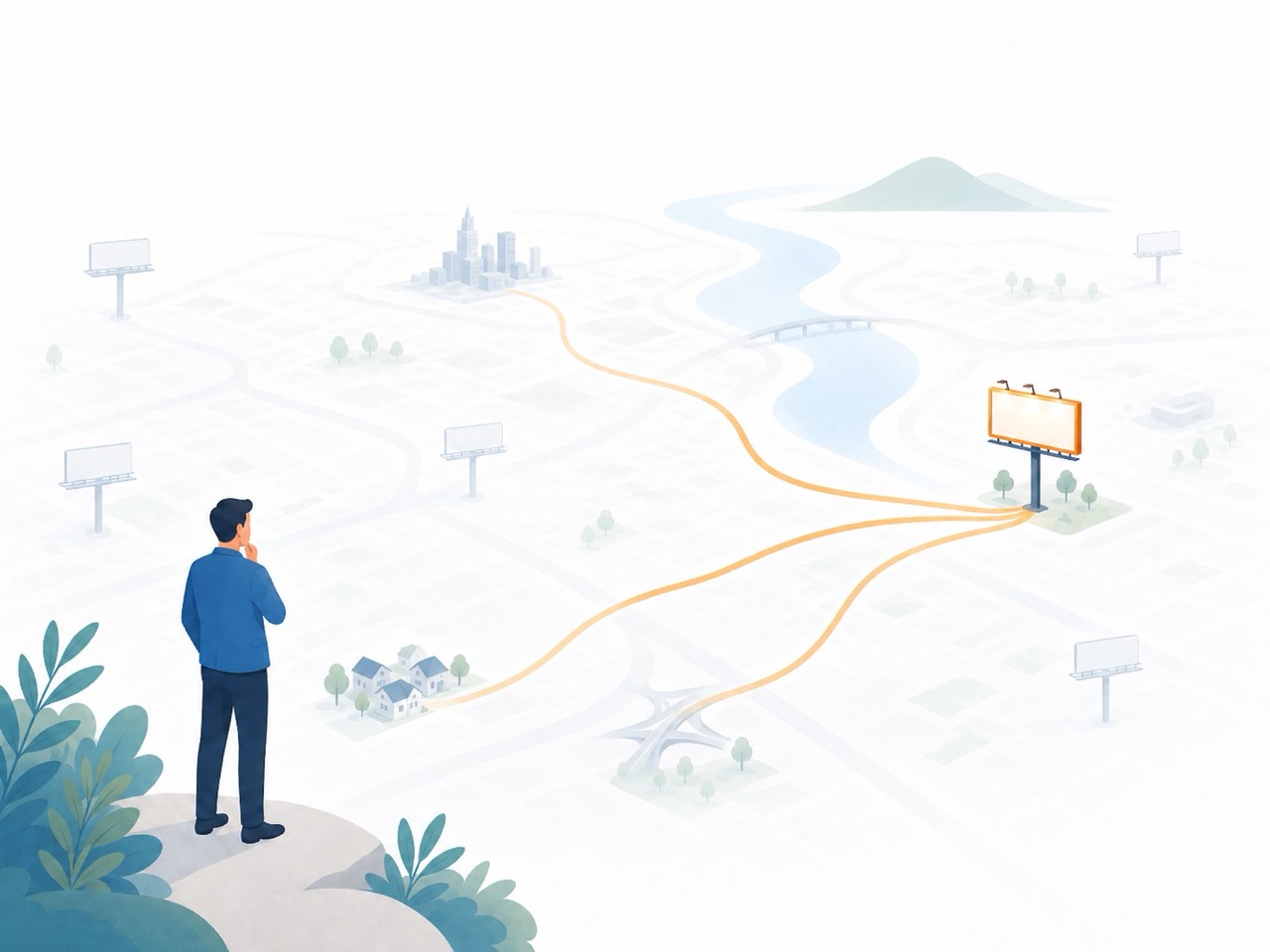
In the out-of-home (OOH) world, visibility is everything. Billboards help brands get seen — but what about the billboard companies themselves?
For many operators, websites are an afterthought. They’re outdated, static, or worse — nonexistent. And yet, when advertisers are deciding where to spend their money, the first thing they do is open a web browser. That means your first impression isn’t your inventory — it’s your online presence.
The good news? You don’t need a big marketing team or an expensive agency to stand out online. You just need the right foundation — and a website that works as hard as your boards do.
The Visibility Problem
Let’s be honest: billboard operators have been doing this a long time. You know your markets. You know your faces. You know how to sell outdoor. But the way buyers search has changed.
Even your repeat clients are now searching online to confirm locations, compare coverage, or pull photos before pitching to their boss. So if your website only lists a few static images or doesn’t clearly show your inventory, you’re leaving money on the table. An outdated or missing website doesn’t just look unprofessional — it costs you credibility.
What Today’s Advertisers Expect
When media buyers or local businesses land on your website, they expect three things — fast:
- A clear map of where your boards are. They want to see coverage instantly, not scroll through PDFs or spreadsheets.
- Professional visuals. Real install photos and proof-of-performance images build trust and make your boards look premium.
- Easy ways to get in touch. A simple form to request availability or a quote. No friction, no hunting for contact info.
If your website delivers those three things, you’ll already look ahead of most competitors.
Why DIY Websites Fall Short
A DIY builder can get something online — but it can’t capture what makes your business different. The problem isn’t just design. It’s data.
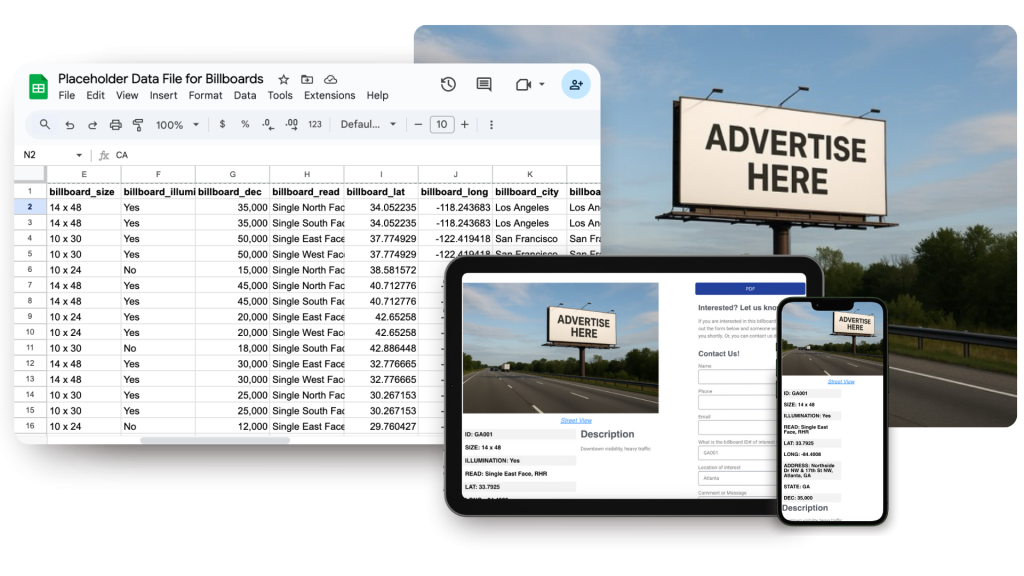
Your faces change. Availability changes. Artwork changes. A great OOH website connects to your real inventory and updates dynamically — so your listings stay current without rebuilding pages. That’s what turns a static website into a true sales tool.
The 3 Essentials of a Modern Billboard Website
1. Dynamic Maps That Sell for You
Your buyers are visual. They want to zoom in, filter by city or highway, and see what’s available. A dynamic map lets them explore — and helps you close faster.
2. One-Sheets for Every Billboard
Your sales team shouldn’t waste hours designing PDFs. Each face should have its own ready-to-send one-sheet, automatically generated from your data and photos. It’s professional, consistent, and shareable — whether for internal use or direct to clients.
3. Lead Capture That Actually Converts
Example micro-CTA: “Looking for a board in Albany? Let’s find your perfect spot.”
Don’t hide your contact info behind a dozen clicks. Add a simple quote form and route those leads directly to your inbox — or trigger helpful auto-replies. Simple beats flashy every time.
The Payoff: A Website That Sells While You Sleep
A modern website doesn’t just make you look good — it saves you time, shortens your sales cycle, and builds credibility with every new visitor. Advertisers can explore your inventory, see your professionalism, and contact you — even when you’re out in the field. That’s how operators today are leveling up without adding more staff or software headaches.
How OOH Engine Helps Operators “Operate Different”
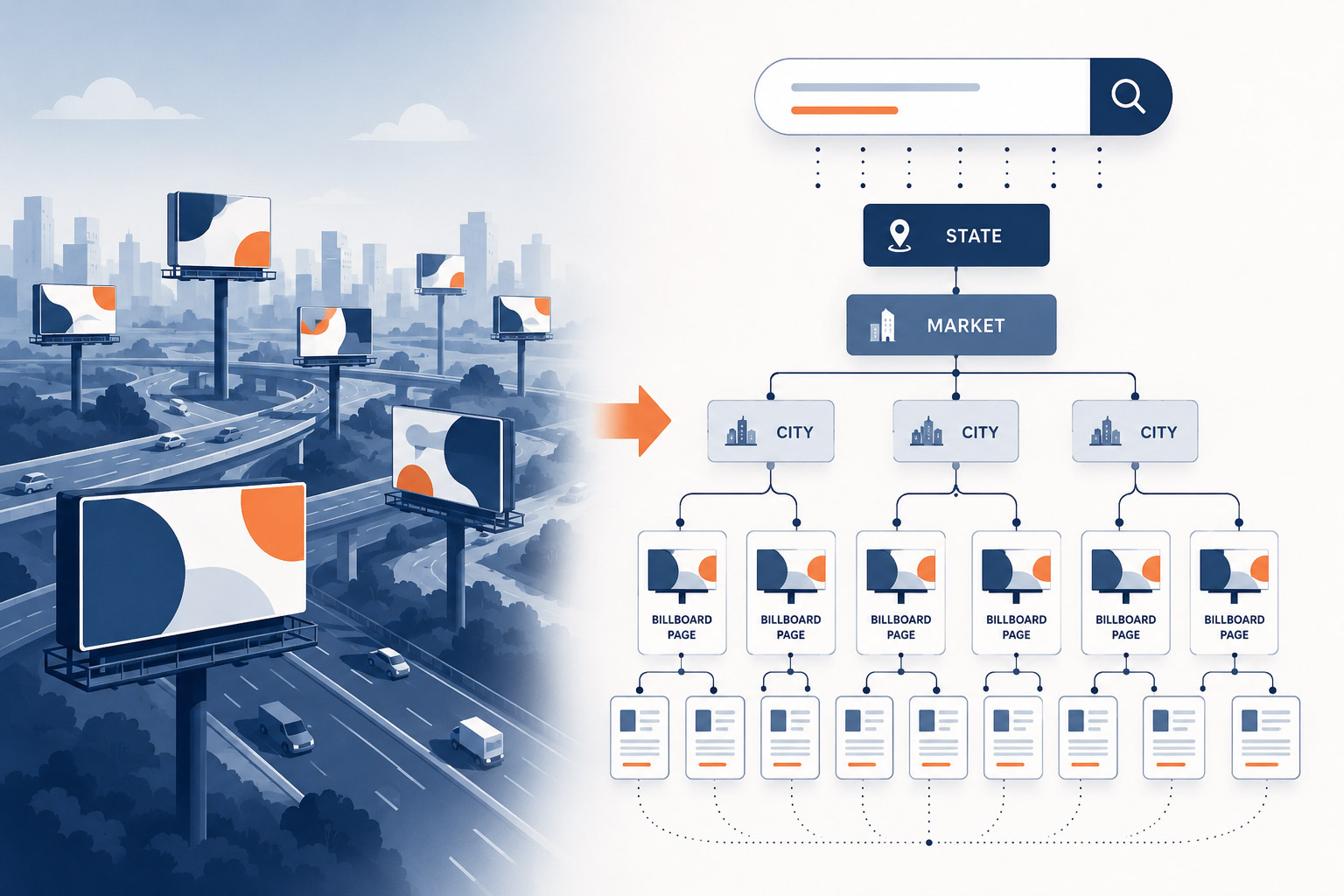
- Your boards displayed dynamically, organized by State → City → Billboard
- “Available Now” faces stand out automatically
- Each board has its own downloadable one-sheet
- Leads captured and routed directly to your inbox
- All updates handled from your latest CSV inventory sheet
You focus on running your business — we handle the tech.